How Pinky Cat Transforms Small Business Branding
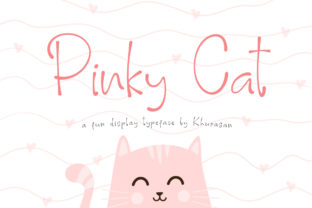
I was sitting at my kitchen table last Tuesday, staring at a stack of blank kraft paper boxes for a local candle maker I consult for. She had amazing scents and a loyal following, but her packaging felt generic. The labels were typed in a standard system font that screamed "homemade" in the wrong way—it lacked soul. We needed a display font that could instantly communicate warmth, playfulness, and quality without costing a fortune in custom lettering. That is when we pulled up Pinky Cat. As soon as we typed her shop name into the software, the entire mood of the brand shifted. Pinky Cat is a fun display font with a cheerful style that gets you inspired by its unique charm, and it turned out to be exactly the missing piece for her visual identity.
Why Pinky Cat Works Perfectly for Handmade Product Labels
When you are selling physical goods like candles, soaps, or baked treats, the label is your silent salesperson. It sits on the shelf next to competitors, and you have about three seconds to catch a customer's eye. Pinky Cat excels here because it balances readability with personality. Unlike stiff fonts that feel corporate, this typeface invites people in. For the candle project, we used Pinky Cat for the main product names on the jar lids. The rounded edges and bouncy baseline make the text feel approachable and friendly, which is crucial for handmade brands trying to build an emotional connection. Because it is a display typeface, it commands attention even at smaller sizes, provided you keep the text short and punchy. It tells the customer before they even read the ingredients that this product was made with care and joy.
Creating Consistent Social Media Graphics with Pinky Cat
Once we sorted the packaging, the next hurdle was the online presence. Many small business owners struggle to keep their Instagram stories and Facebook posts looking consistent. They mix too many styles, making their feed look cluttered. By adopting Pinky Cat as the primary header font for all digital assets, we created an instant thread of recognition. Whether it was a "New Scent Alert" graphic or a behind-the-scenes reel cover, using the same fonts across platforms builds trust. Pinky Cat renders beautifully on mobile screens because its strokes are thick enough to remain legible even on a small phone display. When you pair this cheerful display style with a clean, minimal background photo, your content looks polished and professional. It stops the scroll because it feels distinct from the thousands of other posts using default system typography.
Pairing Pinky Cat with Clean Typography for Menus and Flyers
A common mistake I see in café and boutique branding is using a decorative font for everything. While Pinky Cat is undeniably charming, it is designed to be a headline hero, not a workhorse for long paragraphs. For the bakery client I worked with recently, we used Pinky Cat for the section headers like "Fresh Pastries" and "Seasonal Specials." However, for the ingredient lists and prices, we paired it with a simple, neutral sans serif font. This contrast is vital. The playful energy of Pinky Cat draws the eye to the most important information, while the supporting text ensures the menu is easy to scan quickly. If you try to write a whole paragraph in a display font, it becomes exhausting to read. By letting Pinky Cat shine in short bursts, you maintain its impact and ensure your customers actually digest the information you are presenting.
Boosting Brand Recognition on Packaging and Thank You Cards
The unboxing experience is a massive part of modern e-commerce. When a customer opens a package, the first thing they often see is a thank-you card or a sticker sealing the box. Using Pinky Cat on these small touches adds a layer of delight that generic printing cannot match. We printed a batch of "Thank You" cards for an online jewelry seller, using Pinky Cat to write a large, cheerful greeting at the top. It transformed a piece of paper into a branded keepsake that customers wanted to share on their own social media. This kind of organic marketing is invaluable. Because Pinky Cat has such a specific, cheerful vibe, it becomes synonymous with the brand itself. Over time, customers will recognize that specific bounce and curve in the letters before they even read the name, solidifying your place in their memory.
Essential Tips for Licensing and Commercial Use of Pinky Cat
Before you rush to download Pinky Cat and slap it on your next product run, there are practical steps every business owner must take. First, always verify the licensing terms. While many creative fonts offer personal use for free, commercial projects—like selling t-shirts, mugs, or packaged goods—usually require a commercial license. This protects you and supports the type designer who created the art. Check if the file formats included (such as OTF or TTF) are compatible with your design software or printing service. Additionally, look for OpenType features. Some versions of Pinky Cat might include alternate characters or ligatures that allow you to customize the look further, giving your logo a truly unique twist. Ensuring you have the right files and permissions means you can scale your business without legal headaches down the road. Investing in the proper license for a premium display font is a small cost for the professional polish it brings to your entire brand ecosystem.